

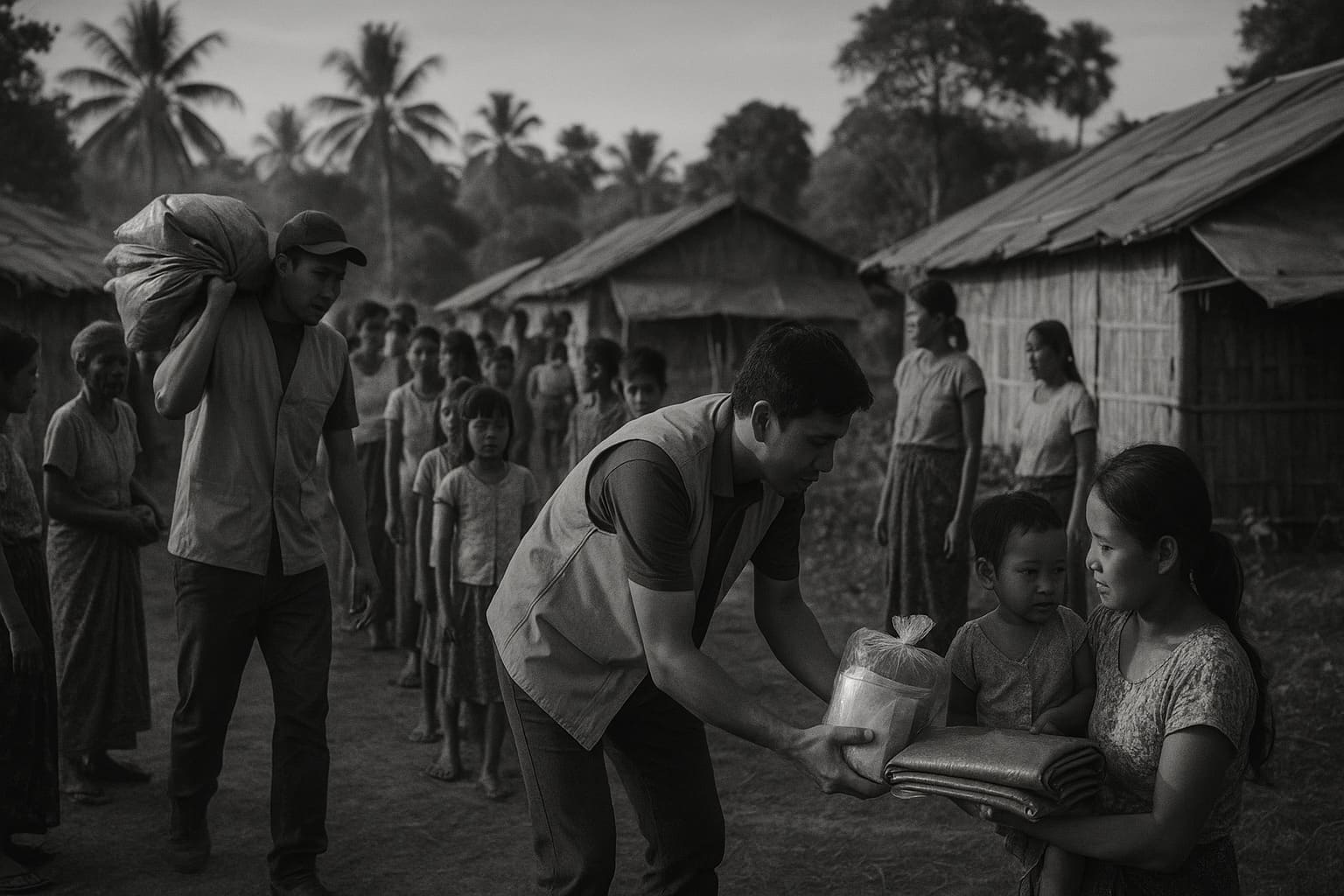
HEAR adopts an integrated, multi-sectoral approach to address the interconnected needs of crisis-affected populations. Our nine thematic areas are aligned with global humanitarian standards, the Myanmar Humanitarian Response Plan cluster system, and Sphere minimum standards.
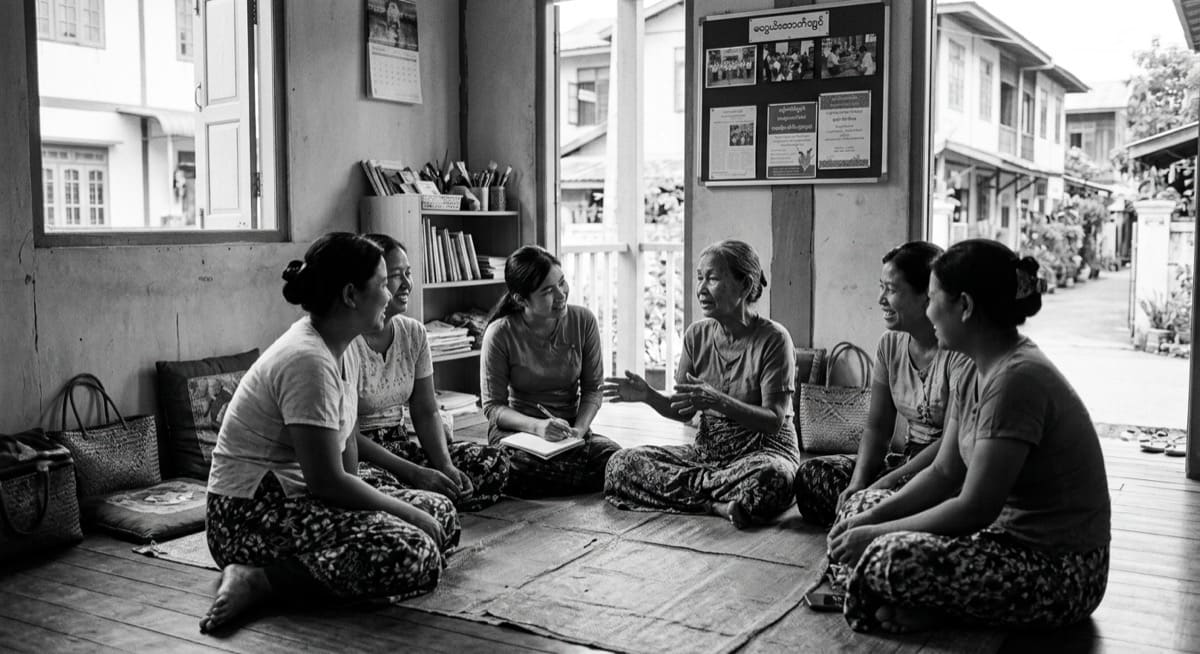
Protection
Mainstreaming protection principles across all sectors, with focused interventions for women, girls, children, and ethnic minorities. Includes case management, referral pathways, community-based protection, mine risk education, GBV prevention and response, child protection, and psychosocial support.
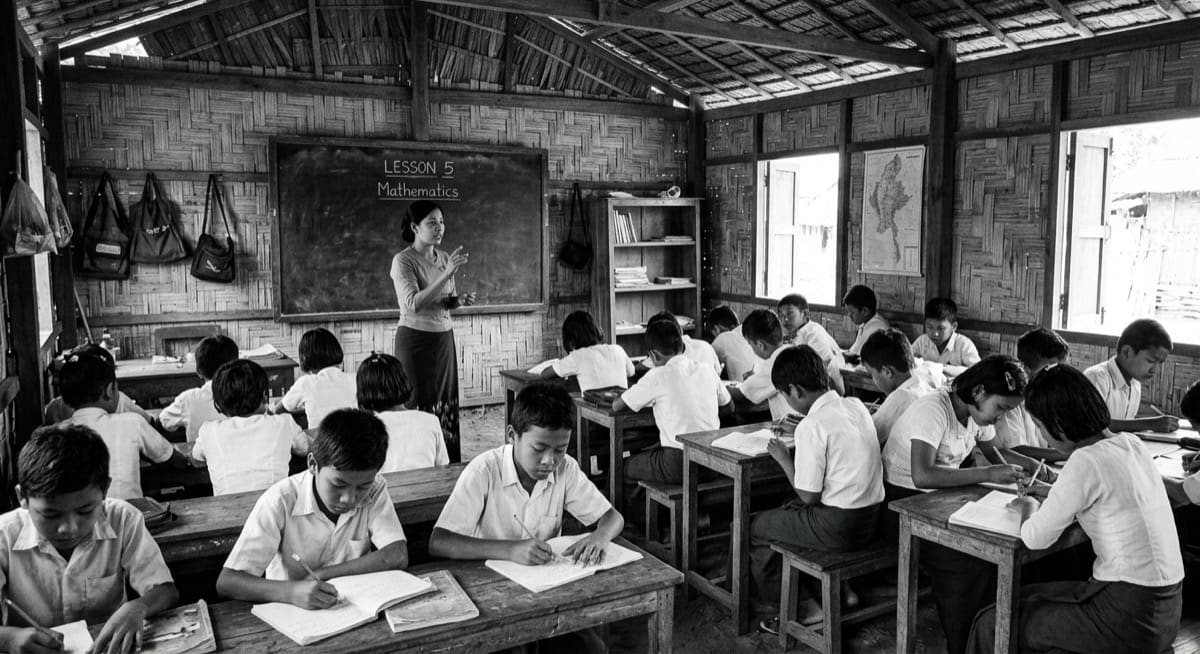
Education in Emergencies
Safe, inclusive, quality learning for children and youth disrupted by conflict and displacement. Temporary learning spaces, teacher training, learning materials, school feeding, inclusive education for children with disabilities.
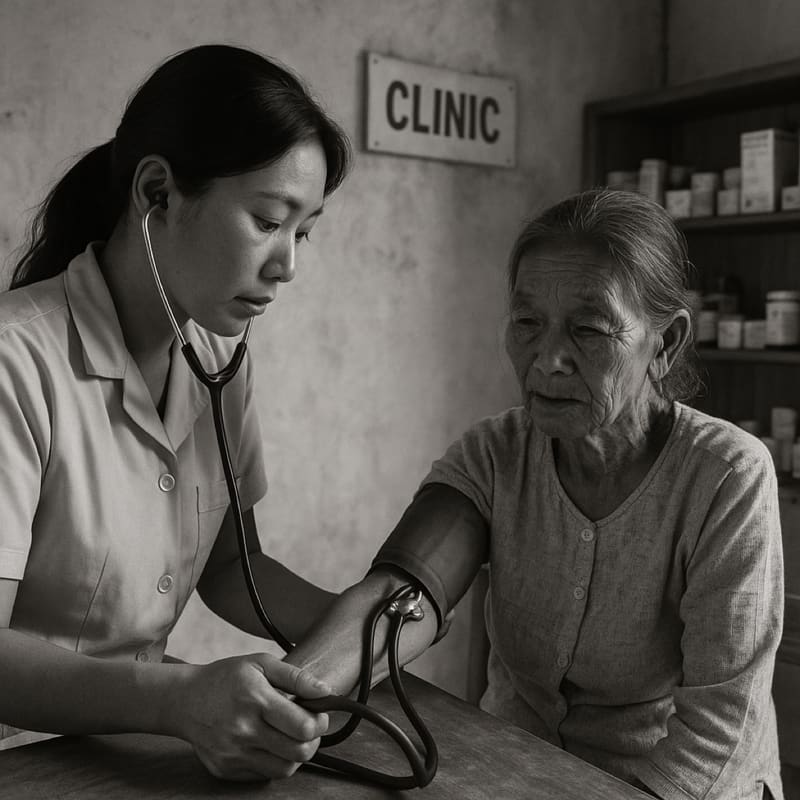
Health
Essential primary healthcare, reproductive health, psychosocial support, and community health promotion in underserved and hard-to-reach areas.
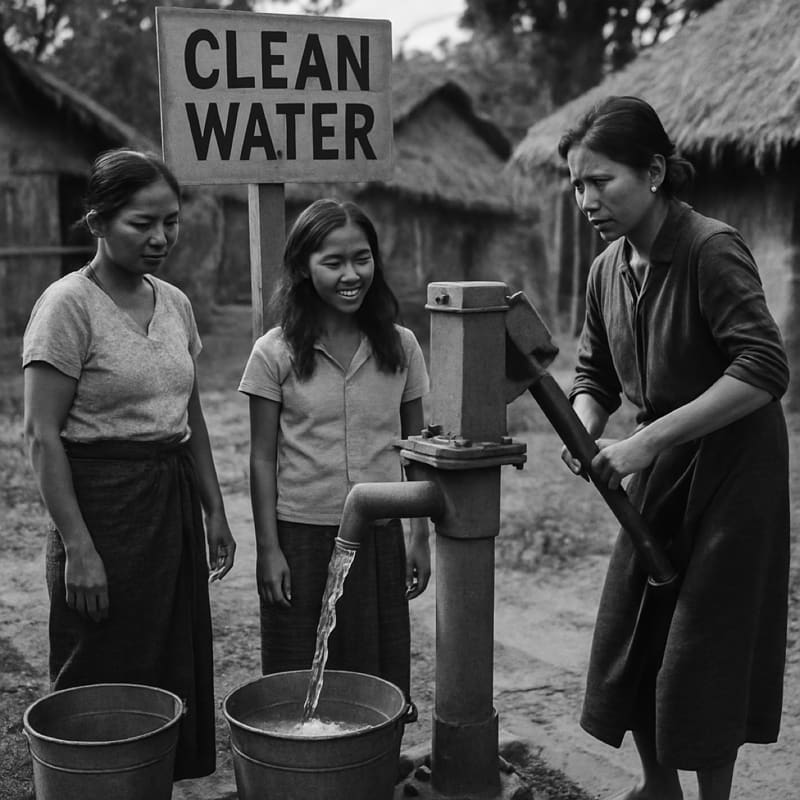
WASH
Safe drinking water, adequate sanitation facilities, and hygiene promotion to reduce disease and protect public health.
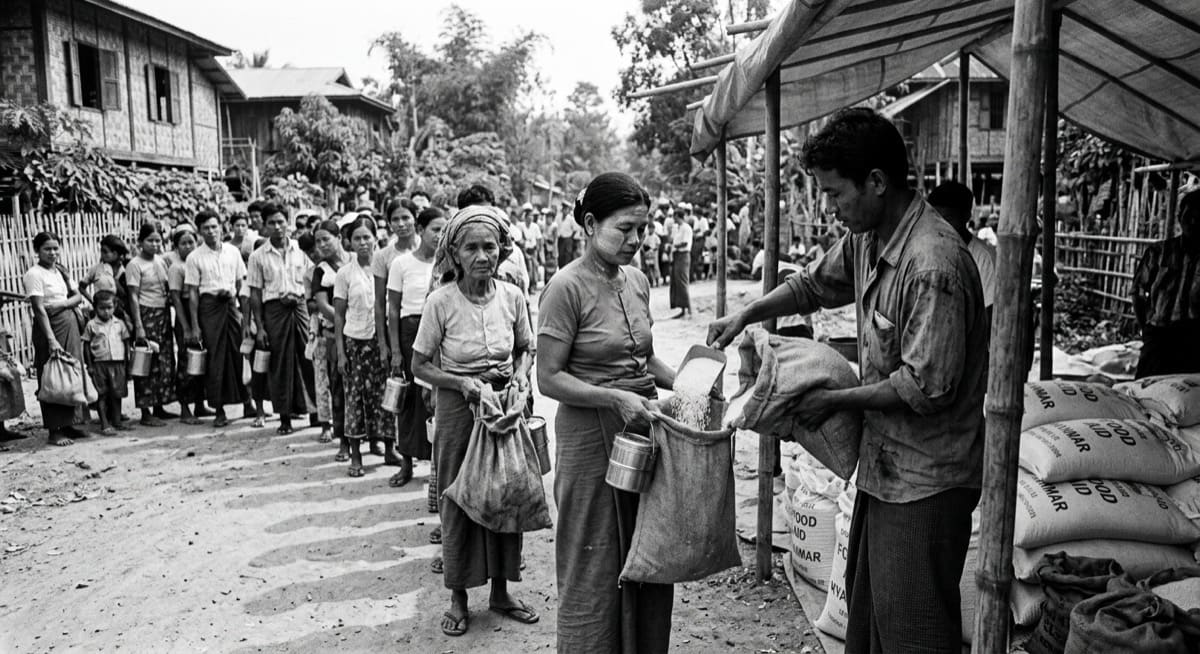
Food Security
Timely and appropriate food assistance, in-kind distributions, and complementary nutrition programming to combat hunger and malnutrition.
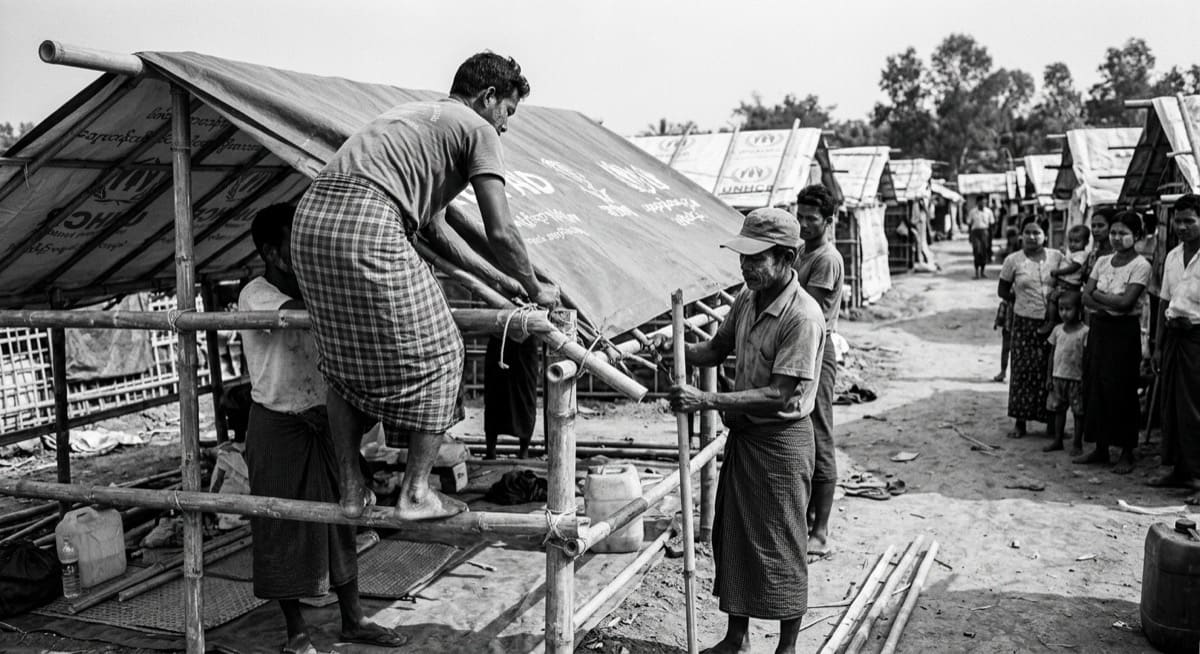
Shelter & NFIs
Emergency and transitional shelter solutions and essential non-food items for displaced and vulnerable families.
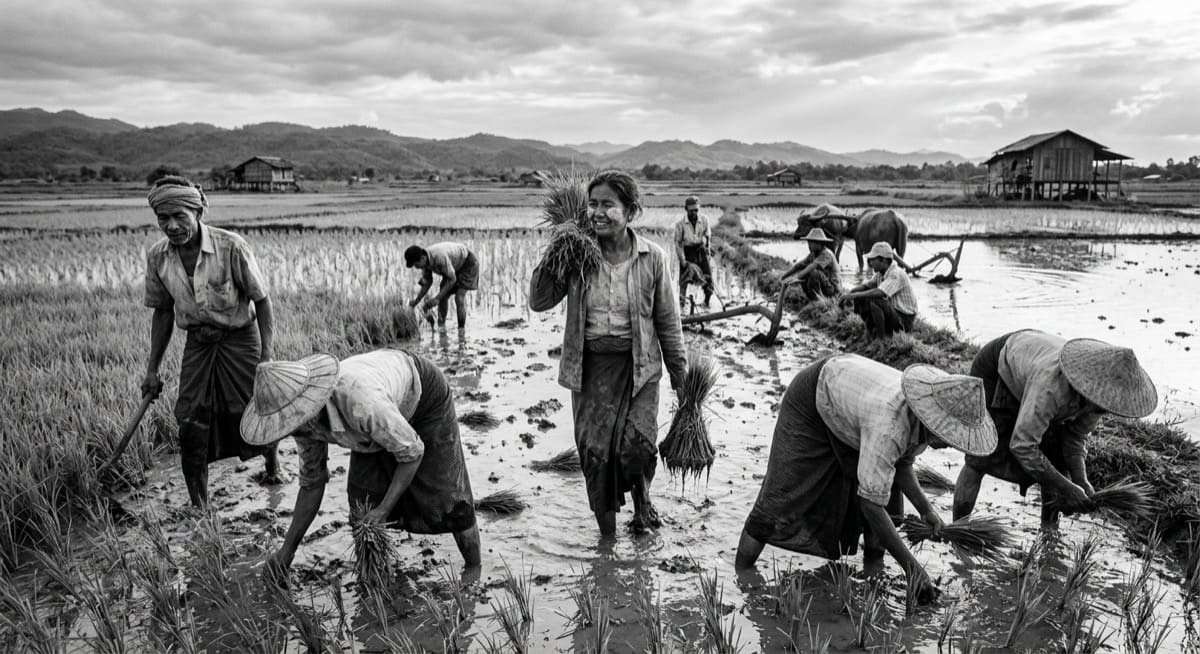
Livelihoods
Restoration and diversification of livelihoods to enhance self-reliance, economic resilience, and long-term recovery. Cash-for-work programs.
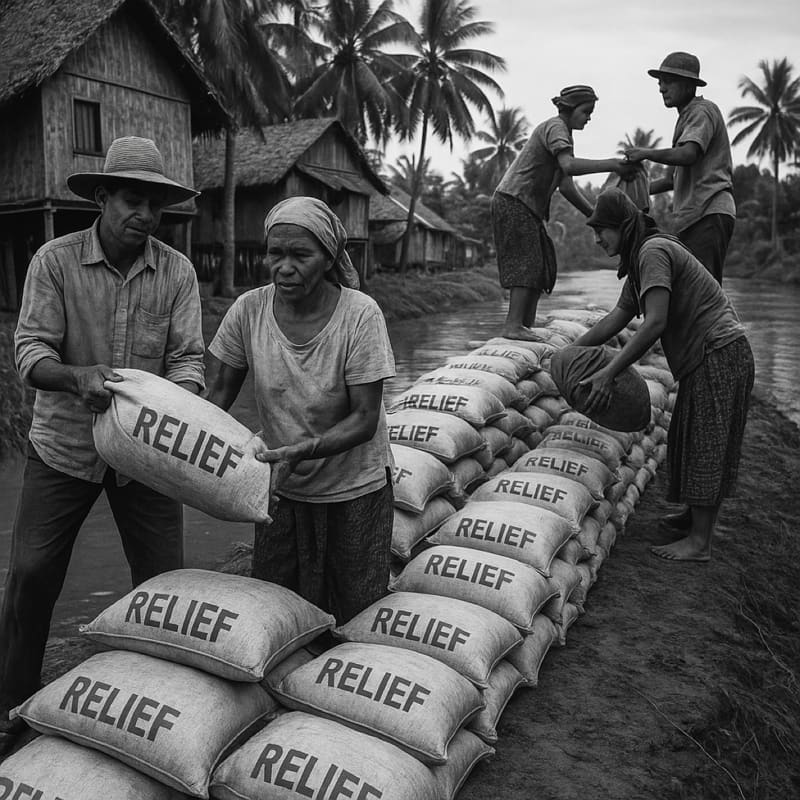
Disaster Risk Reduction
Strengthening community capacity to prepare for, mitigate, and respond to natural disasters and shocks. Building resilience before crises strike.
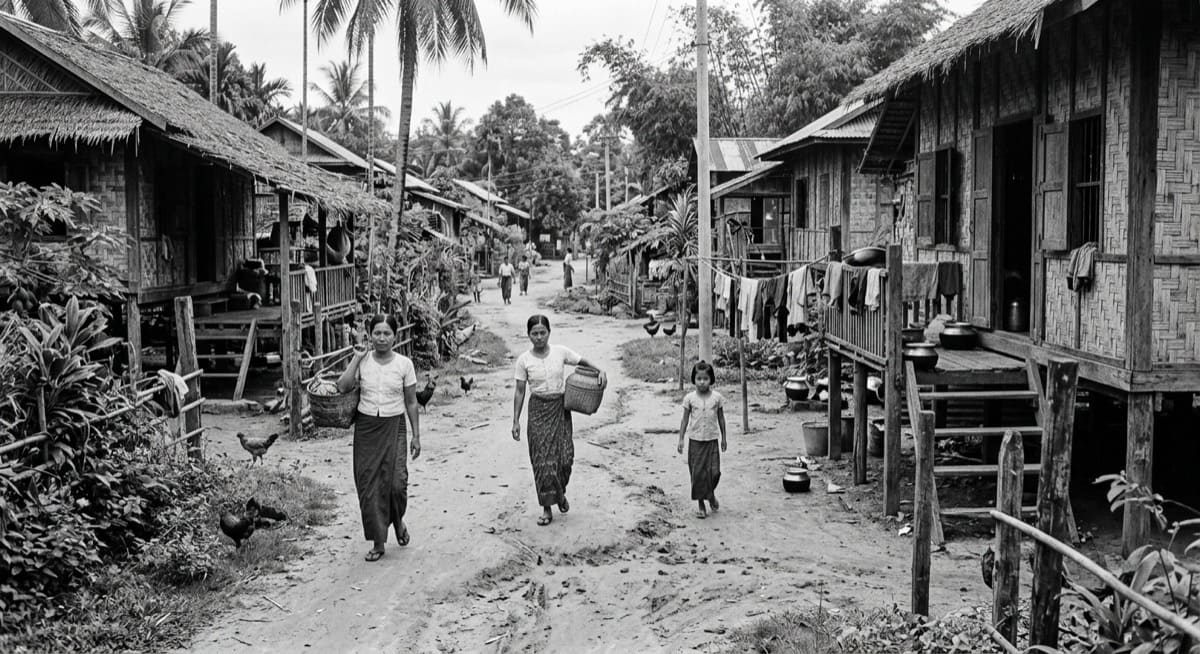
Multi-Purpose Cash Assistance
Unrestricted cash and voucher assistance empowering beneficiaries with dignity and flexibility to prioritize and meet their own diverse needs.
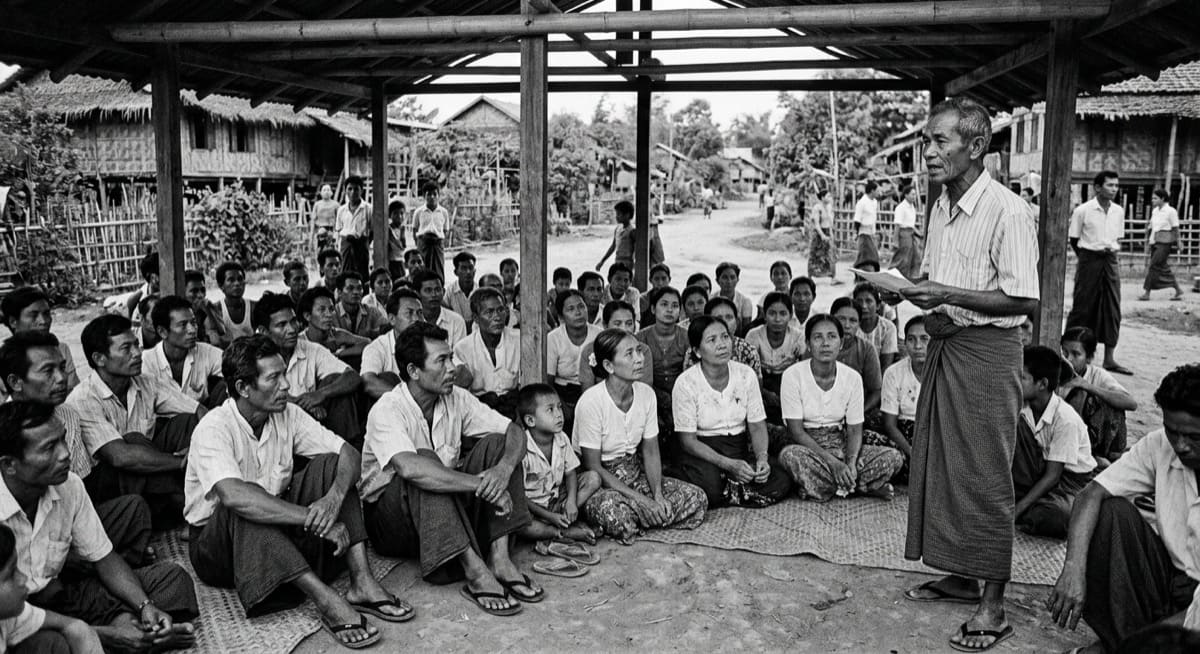
Interested in partnering on any of these sectors?
We're ready to collaborate on multi-sectoral humanitarian programming.
Partner With Us